Ensure follow-up happens after every discharge.
Automate post-discharge follow-up workflows that surface risks early, route issues instantly, and reduce avoidable readmissions — without adding staffing burden.
Recovery outcomes health systems see
fewer 30-day readmissions (Intermountain)
savings (Intermountain)
pediatric readmissions reduction (Seattle Children's)
Riverside Health
Post-Discharge Check-In
Today 10:14 AM
Readmissions
−30% avoidable
Reached
98% in <24h
Michael R.
High riskUnit 4 West · CHF follow-up
- Meds
Adherent
- Incision
Swollen
- Pain
8/10
Today’s check-ins
- STOn target
Sarah T.
Day 2 · knee
- JKWatch
James K.
Day 2 · CABG
- MPBilled
Marcus P.
Day 28 · TCM
Comprehensive follow-up that catches issues before they escalate
Automated Check-Ins
Reach every discharged patient with timely voice or text check-ins — no manual dialing, no missed follow-ups.
Escalation Workflows
Flag concerning responses instantly and route them to the right care team member for rapid intervention.
Condition-Specific Scripts
Tailor questions by diagnosis, procedure, or care pathway so follow-up conversations are clinically relevant.
Multilingual Support
Conduct follow-up in 30+ languages so language barriers never prevent patients from reporting concerns.
EHR Integration
Pull discharge data from Epic, Cerner, and other EHRs automatically — no duplicate entry, no delays.
Outcome Analytics
Track readmission rates, response rates, and escalation trends with real-time dashboards and exportable reports.
Structured post-discharge follow-up supports: readmission prevention, TCM completion, recovery confidence, clinician escalation accuracy.
Check on Every Patient After Discharge
Automated outreach contacts patients within hours of leaving the hospital. Structured questions surface pain issues, medication confusion, and warning signs — so your team can act before a return visit.
See how it works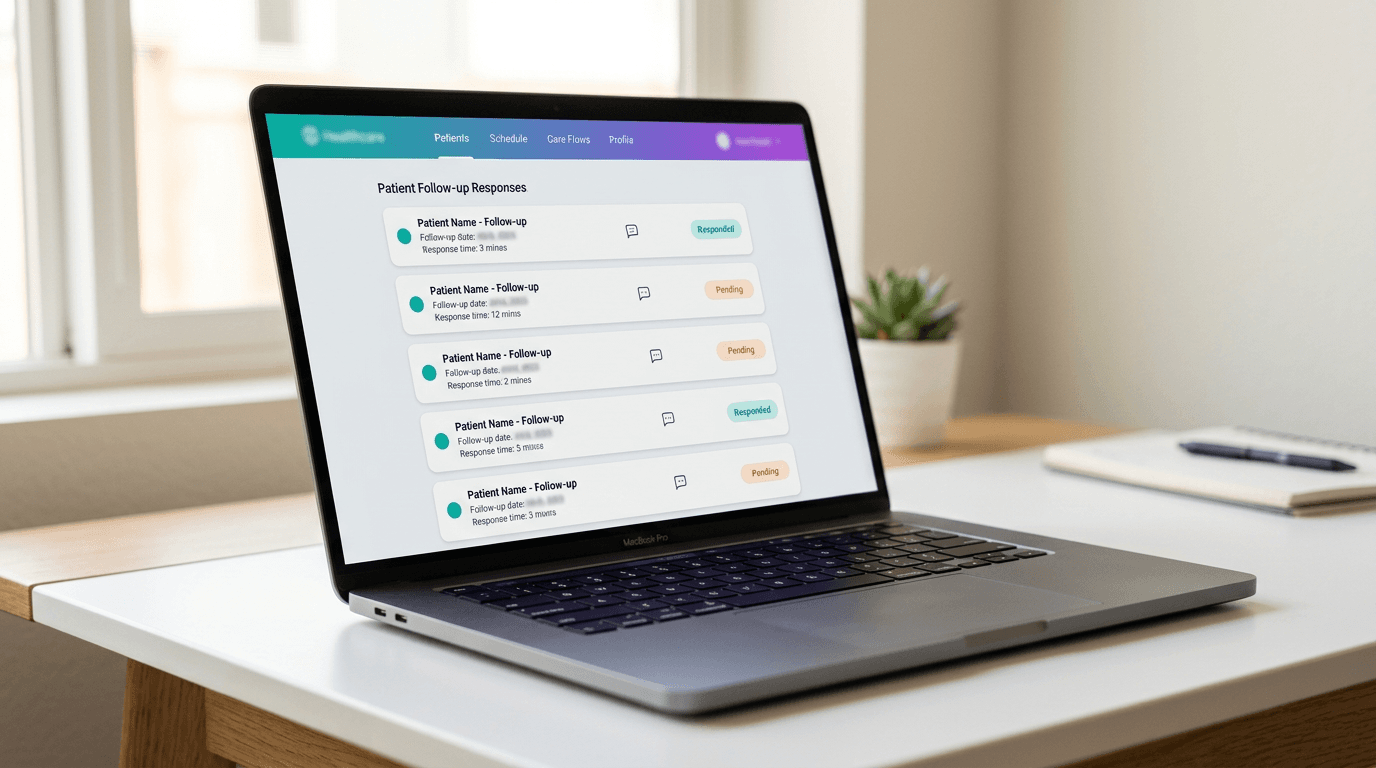
Route Urgent Issues to the Right Team — Fast
When a patient reports a concerning symptom or missed medication, the system generates an alert and routes it to the appropriate clinician. No issues fall through the cracks.
Learn about escalation workflows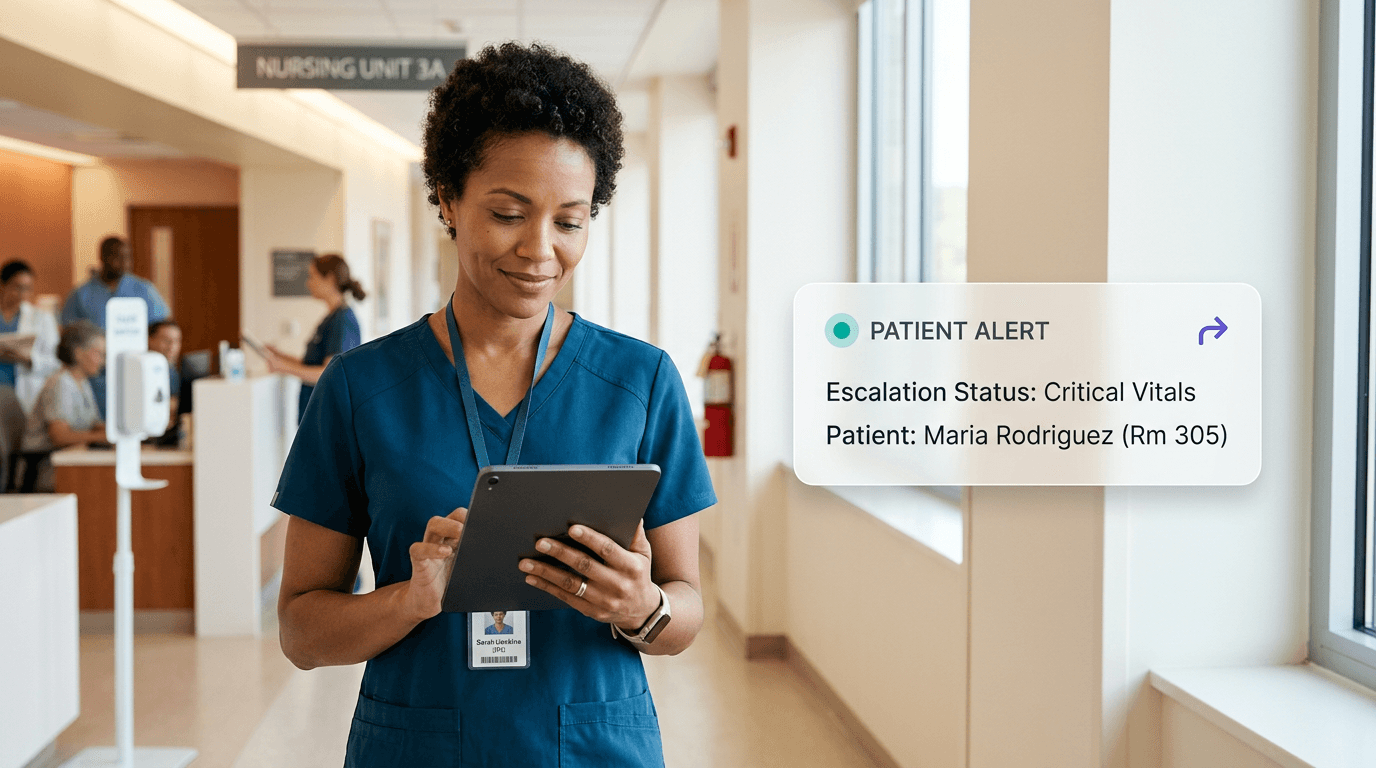
Bridge the Gap Between Hospital and Home
Extend the care experience beyond the hospital walls. Multi-touchpoint outreach over days and weeks keeps patients engaged, reinforces discharge instructions, and builds lasting trust.
Explore care continuity30-day follow-up arc
Hour 0
Discharged
Feed triggers from Epic / Cerner
Hour 2–24
First check-in
SMS or voice in the patient's language
Days 2–14
Recovery tracking
Signals escalate to the nurse worklist
Day 30
Recovery confirmed
Patient reported stable, care loop closed
Move Patients From Automation to a Live Voice
When a patient indicates they need help during an automated call, live transfer connects them instantly. No callbacks, no voicemail — just a seamless handoff to the right person with full context.
See how it works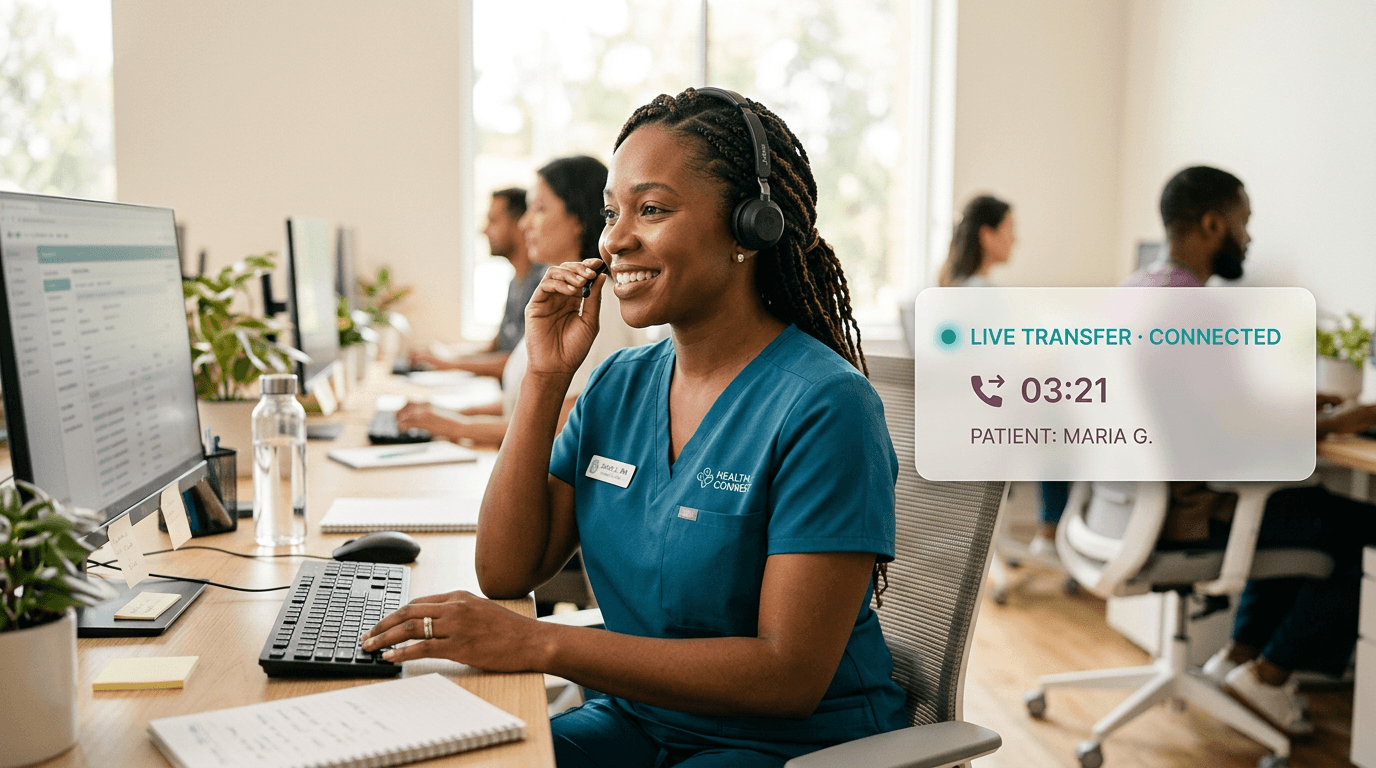
“Preventing patient readmissions is what's important to us, and we had just under $15M in savings with doing these post-discharge follow-up calls. It results in greater patient satisfaction, lower readmission rates, and a significant financial impact in our healthcare organization.”

See Post-Discharge Follow-Up in action.
Schedule a personalized demo and discover how automated follow-up helps health systems reduce readmissions, improve outcomes, and elevate the patient experience.